Are bathroom mirrors dispatched from a UK warehouse faster?
Often, yes—but a UK warehouse address on its own does not guarantee a faster delivery. What matters is whether the exact mirror you want is in stock, when the order is processed, how it is sent, and whether delivery can be booked to suit your installation schedule.
For landlords and property managers, those details can make the difference between a straightforward bathroom refresh and a job that leaves a tenant waiting for a working washroom. A mirror is a relatively small purchase, but it can sit on the critical path: the fitter may need it before finishing the wall, connecting the lighting or signing off the room.
This guide explains how to check UK warehouse dispatch and delivery lead times, schedule installation more reliably, and decide whether a mirror-led refresh is enough—or whether the bathroom genuinely needs a full renovation.
Does UK warehouse dispatch mean faster delivery?
It can shorten the journey, especially when the product is already in stock at the UK warehouse and the supplier processes orders promptly. A domestic dispatch may also make tracking, delivery support and returns more straightforward than an order travelling internationally.
However, “dispatched from a UK warehouse” describes where an order leaves from, not necessarily when it will arrive. The mirror could be awaiting restock, made to order, held at another location, or subject to a delay before the courier collects it. A UK-based dispatch can still involve several working days of handling and transport.
Before ordering, check the product page and, if necessary, confirm the details with the supplier. Look for:
- Stock status: Is the exact size and finish available now?
- Dispatch estimate: Is this the time to leave the warehouse, or the expected arrival date?
- Delivery method: Is delivery tracked, and does the courier offer a timed slot?
- Access requirements: Will the mirror be delivered to the property entrance, or to a room?
- Damage procedure: What should you do if the glass or packaging arrives damaged?
For example, LED Mirror World is a product supplier where you can compare mirror options and check the information provided for individual products. Its LED Mirror World mirror range includes choices suited to different bathroom sizes and styles. As with any supplier, verify the stated availability and delivery terms for the specific model before committing to an installation date.
Why delivery lead times matter to landlords
In an owner-occupied home, a late mirror may be an inconvenience. In a rental property, it can affect access to the bathroom, the length of a contractor visit and the tenant’s day-to-day routine. In a shared house, even a short period with one bathroom out of action needs thoughtful planning.
Installation scheduling should account for more than the courier’s estimated arrival. Allow time to inspect the mirror, check that it is the correct size, and resolve any damage or missing components before the fitter is due. A useful rule is to have the item on site and checked before booking the final installation slot, rather than relying on a delivery forecast.
Project stage What to check Why it helps Before ordering Measurements, stock status, dispatch estimate and delivery terms Reduces the chance of ordering the wrong item or planning around an unrealistic date When delivery is confirmed Access, tenant availability and courier contact details Helps avoid missed delivery attempts and unnecessary rebooking On arrival Size, finish, accessories and visible damage Leaves time to contact the supplier before the installer attends Before fitting Wall condition, fixing points, power arrangements and safe access Prevents delays on the day and supports a safer handover
Build a buffer into the programme, particularly if the property is occupied or several trades are involved. If an electrician needs to alter a connection, or a decorator has to repair the wall first, the mirror’s arrival date is only one part of the schedule.
Refresh or full renovation: which makes sense?
A bathroom does not always need stripping back to feel cleaner, brighter and more practical. If the plumbing works, the bath or shower is serviceable, and the tiles are in reasonable condition, a targeted refresh may deliver a strong improvement with less disruption and lower cost.
A refresh could include a new mirror, better lighting, renewed sealant, a fresh coat of suitable paint, replacement accessories and a careful deep clean. These changes can update the look of the room without moving pipework, replacing sound fixtures or disturbing large areas of tile.
Consider a refresh when:
- The existing layout works for the tenant and household.
- The bath, shower, basin and toilet are functional and in acceptable condition.
- There are no signs of persistent leaks, water damage or serious ventilation problems.
- The main issue is that the bathroom feels dated, dim or short on usable storage.
A full renovation is more appropriate when there are recurring leaks, failed waterproofing, extensive damage, unsafe or unsuitable electrical work, or fixtures that cannot be made serviceable through repair. It may also be justified when the layout is genuinely impractical—but that decision should be based on the problem to solve, not simply the appeal of a new arrangement.
For landlords weighing up the scope, PropertyData publishes property-related information and resource articles that can help inform wider investment and maintenance decisions. Where a PropertyData resource article is sponsored, the sponsored-content note should be present so readers can distinguish paid promotion from independent guidance. Use any market or investment information as context, not as a substitute for assessing the condition and needs of the individual bathroom.
Keep the layout to avoid scope creep
Keeping the existing layout is one of the simplest ways to protect a bathroom refresh from turning into a full refurbishment. Moving a basin, shower or toilet can mean changes to water supplies and waste pipes. It may also involve opening walls or floors, replacing disturbed tiles, and coordinating additional trades.
Those changes can be worthwhile if the current arrangement is unsafe or consistently difficult to use. But they are rarely necessary just to make the room feel more modern. Before approving layout changes, ask what specific tenant problem the move will solve. If the answer is mainly “it will look different”, compare that benefit with the extra cost, time, mess and potential downtime.

When keeping the layout, check that a new mirror fits the existing basin area and does not obstruct cupboards, taps or lighting. Confirm clearances around doors and fittings. Measure the available wall space carefully, including the position of tiles, sockets, switches and any existing light fittings.
Mirror lighting: often the highest-impact upgrade
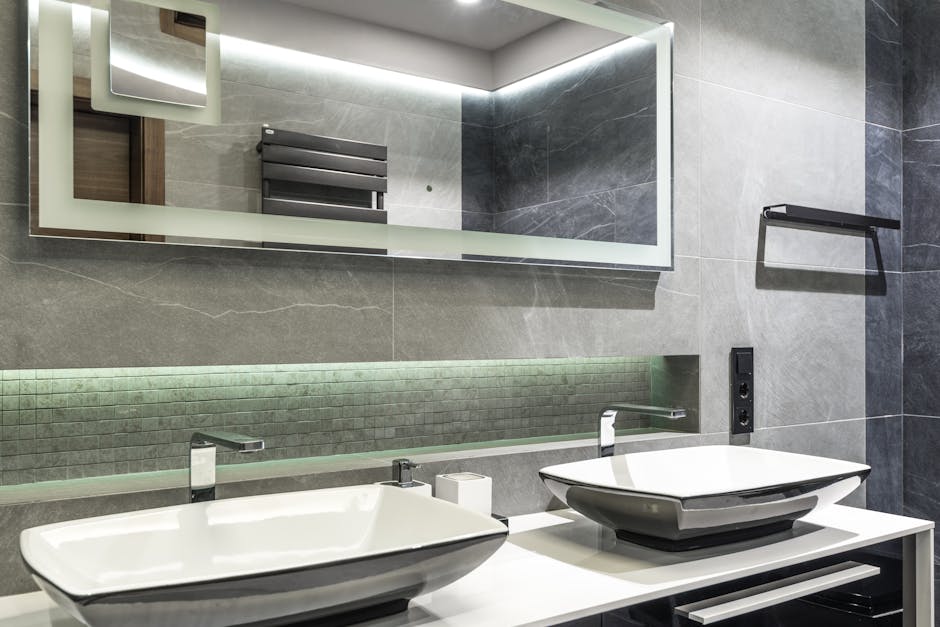
Lighting can change how a bathroom looks and works without shifting a single pipe. A well-chosen illuminated mirror can make the basin area brighter for everyday tasks such as shaving, applying make-up and washing. It can also help a compact or windowless bathroom feel more welcoming, provided the overall lighting remains adequate.
Think about usability before choosing a feature-rich model. Is the mirror large enough for the people using it? Are the controls simple to understand? Is the illumination suitable for the room’s existing lighting, rather than overly harsh? A demister function can be useful in a frequently used bathroom, but it should be weighed against the cost and the needs of the property.
For a rental, straightforward operation and durable construction matter as much as appearance. Leave the tenant clear instructions for any touch controls or special functions, and include relevant product information with the property handover notes.
Any electrical connection in a bathroom must be suitable for the location and carried out in line with applicable UK requirements. Have a qualified electrician check the proposed mirror, its installation position and the existing circuit. Do not assume a product is suitable simply because it is marketed https://propertydata.co.uk/resources/bathroom-upgrades-without-a-full-renovation for bathroom use; verify its specifications and follow the manufacturer’s instructions.
Plan the position before the installer arrives
It is easy to underestimate how much a few centimetres can affect the finished result. A mirror that is too high may be awkward for shorter users; one that is too wide may compete with wall fittings or sit unevenly over the basin. Decide the position before drilling or completing electrical work.
Use a paper template to mark the mirror outline
A simple paper template method for marking the mirror outline on the wall is a low-cost way to check the proportions before installation:
- Measure the mirror’s outer dimensions and cut paper or lightweight card to match.
- Mark the centre line of the basin and note the intended mirror height.
- Use removable masking tape to hold the template in position—avoid tape that could damage the wall finish.
- Step back and check the view from the doorway and from the usual standing position at the basin.
- Check that the template clears taps, cupboards, switches, lights and any tile borders.
- Confirm that the proposed fixing area is suitable and that the wall can support the mirror as specified.
This check is particularly helpful in HMOs, where the bathroom is used by people with different heights and routines. Ask whether the position is comfortable for the likely range of users rather than judging it from one person’s viewpoint alone.
If you are still comparing sizes, the LED Mirror World mirror size calculator page can help with initial planning. Treat any calculator as a guide: take final measurements at the property and check them against the product’s actual dimensions and installation requirements.
Schedule installation around the tenant
Good installation scheduling is as much about communication as it is about trade availability. Agree access with the tenant in advance, explain how long the bathroom may be unavailable, and confirm whether the fitter needs the room cleared before arrival. In a shared property, give residents clear notice and consider whether an alternative bathroom will be available.
- Confirm the delivery address, access arrangements and a contact who can receive the mirror.
- Do not book a tight installation slot until the product is confirmed as in stock and delivery is realistic.
- Inspect the item promptly after arrival, while there is time to report problems.
- Coordinate any electrical work, wall repairs or decorating before the final fitting.
- Allow the installer time to protect the room, test the finished installation and clear packaging.
For a straightforward refresh, it may be possible to arrange the work in one visit. If the wall needs repairs or an electrician must make changes first, split the job into clear stages. That is usually easier for the tenant than an open-ended appointment that grows as new tasks emerge.
How to compare suppliers and delivery promises
When comparing bathroom mirrors, look beyond the headline delivery estimate. Compare the exact product, stock position, dispatch wording, courier arrangements, warranty information and the supplier’s process for reporting damage. A slightly longer but clearly explained lead time may be more useful than an optimistic estimate with no reliable delivery slot.
Ask a direct question if the dates are important: “Is this exact model currently in UK stock, and what is the estimated delivery window to my postcode?” Clarify whether the answer refers to dispatch or arrival. Keep the response with the job notes so the person coordinating the installer is working from the same information.
Do not schedule a tenant-facing installation based only on an online banner saying “fast delivery”. Product availability can change, and courier estimates are not guarantees. A sensible buffer protects the tenant experience and helps avoid wasted contractor call-out costs.
Final checklist
- Decide whether the bathroom needs a targeted refresh or a full renovation.
- Keep the existing layout unless a clear functional or maintenance issue justifies moving fixtures.
- Measure the wall and check the mirror position with a paper template.
- Confirm UK warehouse dispatch, stock status and delivery lead times for the exact model.
- Check the mirror on arrival before confirming the final installation appointment.
- Plan electrical work and fitting with a qualified professional where required.
- Tell the tenant what to expect and provide simple instructions for any mirror functions.
So, are bathroom mirrors dispatched from a UK warehouse faster? They often can be, particularly when the chosen model is genuinely in stock and ready to leave. But the reliable answer comes from checking dispatch and arrival estimates, building in time to inspect the delivery, and coordinating the installer around the tenant. Pair that planning with a sensible refresh, a familiar layout and better mirror lighting, and a small upgrade can make a bathroom feel substantially more usable without triggering unnecessary renovation work.